
Soccer Interviews
Sebastian Bassong Believes African Football Has Finally Closed the Gap on the World’s Best
Sebastian Bassong tells SportsBoom in an exclusive interview why African football is closing the gap on the world's best and believes three or four nations can now challenge for World Cup glory.

SportsBoom offers honest and impartial bookmaker reviews to help you make informed choices. While we may earn commissions through affiliate links, our content remains independent and free from promotional influence. For more information, see our Content Transparency and How We Review pages.
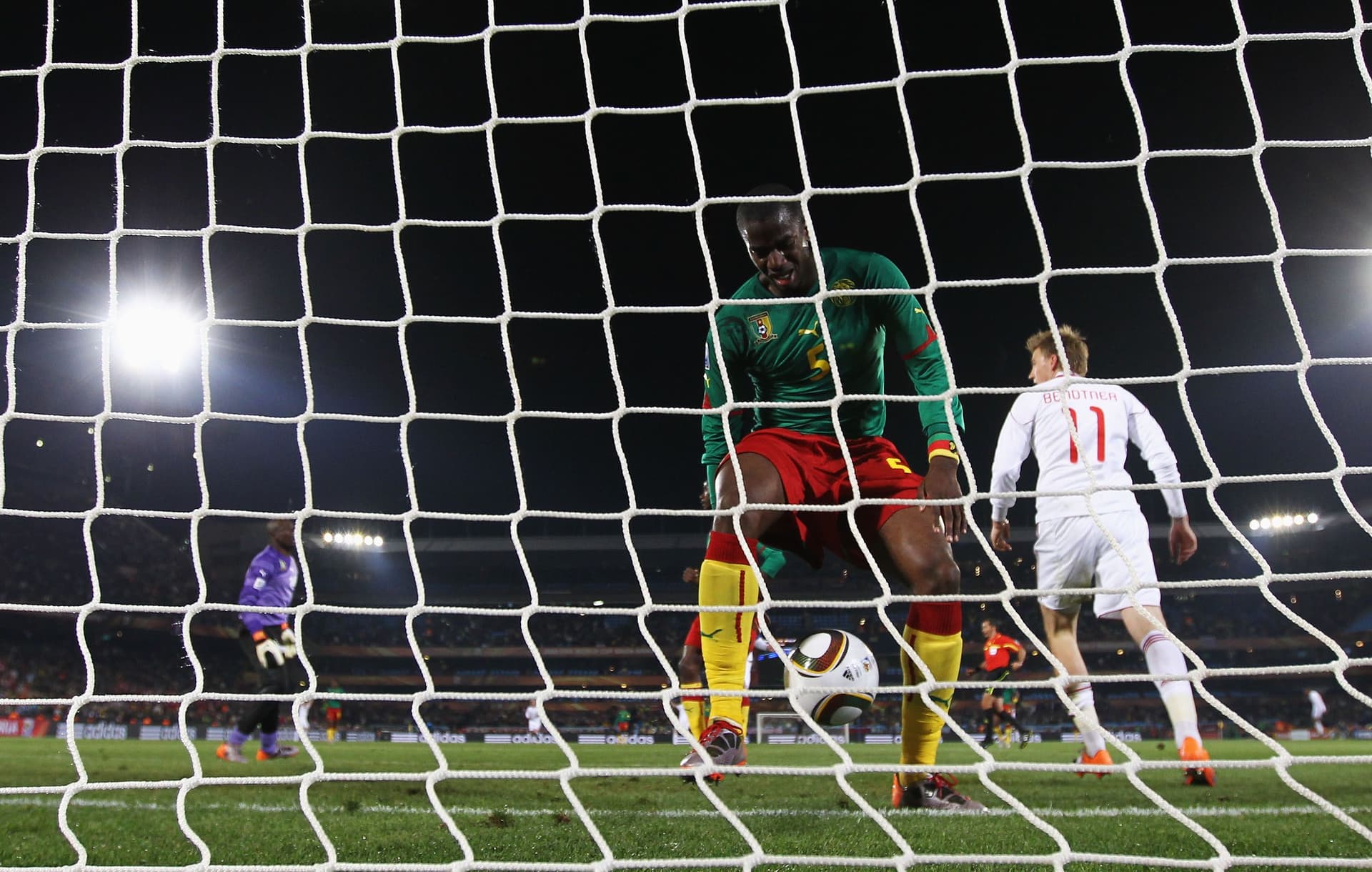
Credit: Getty Images
Sebastian Bassong doesn't hesitate when asked whether African football has closed the gap on the game's traditional powers.
For the former Tottenham Hotspur defender and 19-cap Cameroon international, the shift has been years in the making, and it's no accident.
"It was bound to happen because African teams were a bit behind in terms of a lot of things," Bassong told SportsBoom.co.za in an exclusive interview.
"But the transition, the fact that so many players play in the bigger leagues, and so many managers manage in the bigger leagues as well, plus all the players getting into top institutions, everything is being done."
For Bassong, the improvement isn't down to a handful of gifted individuals breaking through in isolation. It's structural, and it goes right to the top of the game's governance on the continent.
"There is a conscious decision, even from the top," he says.
"The whole federation and everyone has been rolling up their sleeves to get better. So, for me, it was just a matter of time before African teams could really compete with the best in the world."
Three or four sides who can win it
That confidence isn't just about incremental progress anymore. Bassong believes a genuine World Cup challenger, not just a plucky quarter-finalist, already exists within the African game, and that the pool of contenders is growing.
"Nowadays, there are three or four African teams that can look any team straight in the eye, and we've seen it in the World Cup," he added.
Part of that, he argues, comes down to a format change that's rarely credited for its role in Africa's rise: the expansion of the World Cup to 48 teams.
"In the World Cup, what has also been advantageous for African teams is the expansion to 48 teams, so the odds give us a better chance. When you have more teams, you have a higher chance to be successful."
It's a point borne out by qualification itself. Under the old 32-team system, Bassong says, African sides were left drained before a ball was even kicked at the tournament.
"Under the previous format, we didn't have enough teams, and even the qualification process for African teams was honestly way too hard. It was so demanding that by the time you got there, you were exhausted."
Now, he says, that burden has eased just enough to let talent show through.
"We have a better opportunity to show how good we are, and it is only going to get better."
The evidence is already there
Bassong's optimism isn't speculative. It's backed by what's just happened.
Eight African nations reached the knockout stages at the 2026 World Cup, with Morocco again the standard-bearer, a quarter-final run that builds directly on their historic semi-final appearance in Qatar four years earlier, still the best finish by an African nation in the tournament's history.
South Africa were also among the nations to make history, reaching the knockout stages of the World Cup for the first time, before their campaign came to an end with a 1-0 defeat to Canada in the first knockout round.
With the international break now bringing a fresh round of Africa Cup of Nations qualifiers, the timing of Bassong's comments feels pointed.
The infrastructure he describes, European-based talent, coaches operating at the top level, federations investing seriously in development, isn't a future project. It's already producing results, and on this evidence, 2030 is shaping up to be the tournament where it truly counts.
This exclusive interview was provided on behalf of Premier Bet.

Meet Louis Hobbs, our resident sports guru with a knack for all things darts and snooker. His expertise goes beyond the ordinary, offering deep insights that set him apart. Louis also has a strong passion for US sports, particularly basketball and American football.
Related Resources to Soccer Interviews
- Tankiso Modipa Defends SAFA Election System Against ‘Fly-By-Nights’
- Tankiso Modipa Reveals Why Sandile Zungu Is ‘Not Ready’ For SAFA Presidency
- Gayton McKenzie Backs Patrice Motsepe to Succeed Gianni Infantino as FIFA President
- Yan Diomande’s Agent Reveals How Real Madrid Dream Became Reality in Record €140m Move
- Sandile Zungu Targets SAFA Administrative Overhaul Ahead of Election
- Pitso Mosimane Can Surpass Hugo Broos’ Bafana Bafana Achievements, says Thabo Nthethe
- Kaizer Chiefs Legend Mark Williams Reveals What Langelihle Phili Must Do To Succeed At Amakhosi
- Mark Fish Sends Key Advice to Orlando Pirates' New Recruit Sebastian Pedersen
- Jayden Adams' Family Break Silence After Tragic Death, Urges Privacy as Investigation Continues
- SAFA Welcomes Sandile Zungu Election Challenge and Opens Talks Over Hugo Broos Future
- PSL Development Under Spotlight as Siyabonga Nomvete Praises Bafana’s World Cup Progress
- Delron Buckley Backs Bafana Bafana After FIFA Flags Record Online Abuse
- Mark Fish Tips Mbokazi and Okon to Become Europe's Next South African Stars
- Junior Khanye Praises History-Making Bafana But Stands Firm on Hugo Broos Criticism
- ‘We Should Have Won’ – Eric Tinkler Praises Mbokazi but Questions South Africa's World Cup Approach
- Matthew Booth Calls for Tactical Reset as Bafana Face Must-Win Czechia Clash
- Bafana Legend Urges Hugo Broos To Start Mofokeng, Appollis, and Mbatha Against Czechia
- 'Forget Mexico' – Letsholonyane Urges Bafana to Bounce Back Against Czechia
- Ronwen Williams Was Always Destined To Lead Bafana Bafana, Says Former Coach Heredia
- Kagisho Dikgacoi Backs Bafana to Shock Hosts Mexico in World Cup Opener