Betting News
Gambling-Related Financial Trouble Almost Doubles Among South African Workers
A new Old Mutual report has revealed a sharp rise in gambling-related financial difficulties among working South Africans, with 41% of gamblers reporting financial harm, up from 24% in 2025. More than four in ten workers say they gamble to cover bills or debt, while lower-income earners face the greatest financial strain.

SportsBoom offers honest and impartial bookmaker reviews to help you make informed choices. While we may earn commissions through affiliate links, our content remains independent and free from promotional influence. For more information, see our Content Transparency and How We Review pages.
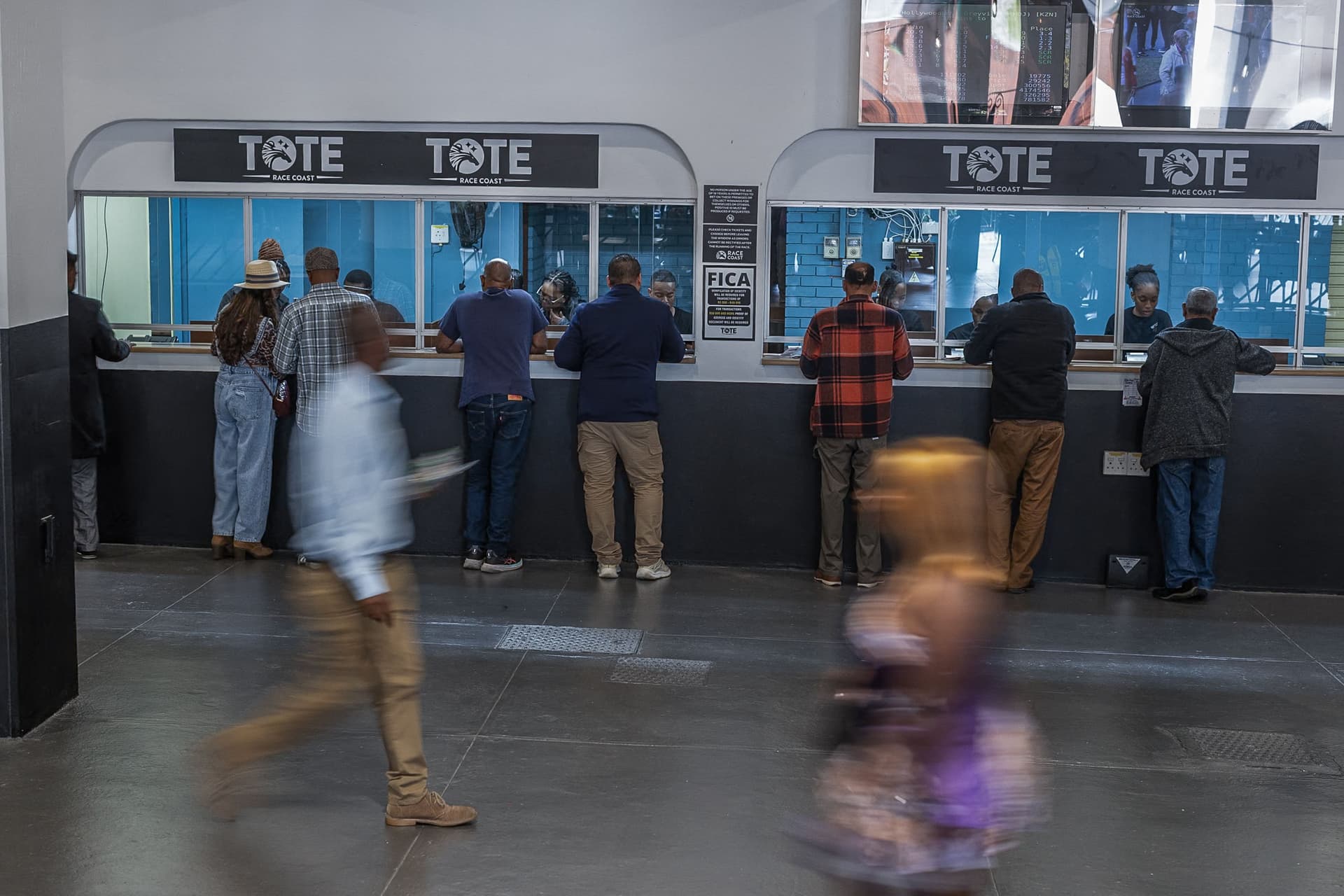
Credit: Getty Images
More than half of working South Africans gamble, and four in ten say they often do so to cover their bills or debt. Among gamblers, the share saying betting has caused them financial difficulty has jumped from 24% to 41% in a single year.
Those are the starkest findings from the Old Mutual Savings & Investment Monitor 2026 (OMSIM)[1], the insurer's annual check on how working South Africans earn, spend, save and borrow. The 2026 edition includes a dedicated gambling deep dive. Its numbers point to a market where betting is increasingly treated as a source of income rather than entertainment.
The picture is not uniform. OMSIM describes "a nation of divergent financial realities", with higher earners growing more confident while lower-income workers face rising debt stress. It is that second group that leans hardest on gambling, and that is being hurt most by it.
About the research
OMSIM has tracked the money habits of working South Africans every year since 2009. The 2026 study surveyed 1,519 people online in April 2026.
It covers employed South Africans aged 18 to 65 who earn at least R8,000 a month. Results are weighted by age, income, gender and population group to reflect the working population, using UNISA Bureau of Market Research profiles.
That scope matters. The figures below describe people with a regular income. They do not include the unemployed or those earning under R8,000 a month, groups that sit outside the survey entirely.
Gambling to pay the bills
Overall gambling participation barely moved this year, at 53% compared with 52% in 2025. What has shifted is why people bet and what it is costing them.
Across the whole sample, 42% of working South Africans say they often gamble, online or otherwise, to help cover expenses or debt. That is up from 40% in 2025. Set against a 53% participation rate, it suggests that for most people who gamble, the hope of a payout is tied directly to their monthly budget.
The pattern is sharpest at the bottom of the income range. Among workers earning R8,000 to R15,000 a month, 52% say they often gamble to cover expenses or debt. Men (47%) are more likely to do so than women (37%), while those aged 50 and over are the least likely, at 28%.
Financial harm almost doubles
The most alarming shift in this year's report is the rise in gambling-related financial difficulty. Measured across all working South Africans, 22% say gambling has left them in financial difficulty, up from 12% in 2025.
Looking only at people who gamble, the picture is starker. In 2026, 41% of gamblers report financial difficulty caused by their betting, up from 24% a year earlier. The share who say this happens often doubled, from 8% to 16%. Old Mutual says the increase has been alarming, and that it rises dramatically among frequent gamblers and lower earners.
| Gamblers earning (per month) | Any financial difficulty | Often |
|---|---|---|
| R8,000 to R14,999 | 54% | 26% |
| R15,000 to R29,999 | 42% | 11% |
| R30,000 to R59,999 | 24% | 10% |
| R60,000 to R119,999 | 34% | 9% |
Among the lowest earners who gamble, more than half have been pushed into financial trouble, and one in four say it happens often. Younger gamblers are also more exposed: 45% of 18 to 29-year-olds and 44% of 30 to 49-year-olds report difficulty, compared with 23% of those aged 50 and over.
At the launch briefing, Old Mutual head of brand Vuyokazi Mabude said the share under pressure had doubled to 26% among people earning less than R30,000 a month.[2]
Sports betting still leads, but lotto and slots are catching up
Sports betting remains the most popular form of gambling in South Africa, used by 61% of gamblers in 2026. But lotto (53%) and slots (52%) have closed the gap sharply, rising from 42% and 46% respectively in 2025. Casino table games fell from 26% to 20%, and horse racing from 11% to 9%.
Each format draws a distinct crowd. Sports betting is used by 83% of gamblers earning R60,000 or more and 75% of male gamblers. Lotto skews older, played by 61% of gamblers aged 50 and over. Slots skew towards lower earners (54%) and women (57%).
The rise of slots among the lowest-paid gamblers is worth watching, given that this is the same group reporting the highest levels of gambling-related financial difficulty.
How often South Africans bet
For many gamblers, betting is a weekly habit. In 2026, 10% of gamblers bet every day or nearly every day, and a further 32% bet two or three times a week. That means roughly four in ten bet at least a couple of times each week, up from about 37% in 2025.
Another 23% bet about once a week and 24% once or twice a month. Only around one in ten bet less often than that.
Old Mutual found few demographic skews in frequency. Its notes indicate that the more frequent gamblers lean towards sports betting and horse racing. That matters because the report links frequent gambling with a sharper rise in financial difficulty.
Why people start: money first, fun second
Asked what first drew them to gambling, 53% of gamblers say they were looking for ways to make extra money. Among those earning R8,000 to R15,000 a month, that rises to 61%. Entertainment comes a distant second, cited by 31%.
Word of mouth plays a big role, with 29% saying a friend or colleague recommended it. One in five (20%) say gambling is common practice in their community or friendship group, rising to 35% among gamblers aged 50 and over.
Operator marketing also features clearly in the data:
24% were offered a starter wallet or voucher by a betting company
18% saw or heard a gambling advert
15% received an SMS, email, call or WhatsApp from a betting company inviting them to play, up from 10% in 2025
11% were introduced to it through a promotion at a sports event they attended
The growth in direct messaging stands out. Among the lowest earners, 19% say they were drawn in this way, and 27% were offered a starter voucher. Those figures are likely to interest regulators weighing tighter rules on gambling promotions.
Who gambles
Men are more likely to gamble than women, at 58% compared with 47%. Participation is highest among 18 to 29-year-olds (58%) and those earning R15,000 to R29,999 a month (58%). It is lowest among people aged 50 and over, at 40%.
| Group | Gamble | Often gamble to cover expenses or debt |
|---|---|---|
| All working South Africans | 53% | 42% |
| Men | 58% | 47% |
| Women | 47% | 37% |
| Aged 18 to 29 | 58% | 46% |
| Aged 30 to 49 | 56% | 46% |
| Aged 50+ | 40% | 28% |
| Earning R8,000 to R14,999 | 51% | 52% |
| Earning R15,000 to R29,999 | 58% | 35% |
| Earning R30,000 to R59,999 | 52% | 40% |
| Earning R60,000 to R119,999 | 48% | 40% |
The income split is telling. The lowest earners are not the most likely to gamble, but they are by far the most likely to gamble out of financial need. In that group, the share gambling to cover expenses or debt (52%) is slightly higher than the share who say they gamble at all (51%). Each figure comes from a separate question, so the two do not line up exactly, but together they suggest that almost every low-earning gambler is betting with their bills in mind.
The debt picture behind the bets
The gambling figures sit within a wider squeeze on lower-income households. Half of working South Africans always or often worry about debt, rising to 64% of those earning R8,000 to R15,000 a month.
Borrowing is climbing fast. The share holding any personal loan rose from 54% to 64% in a year. Loans from mashonisas, or informal moneylenders, rose from 12% to 19%, and borrowing from family and friends jumped from 18% to 28%. Among people with a personal loan, 21% took it out to pay off other debt.
Other signs of strain are just as clear:
46% move money between accounts or hold back deposits to avoid or delay debit orders, and 21% do so regularly
40% are under high or overwhelming financial stress, up from 38%, and rising to 47% among those earning under R30,000
73% overspend at least sometimes, and 12% of those who overspend name gambling or online betting as a reason
24% have fallen behind on a personal loan repayment

Meet Louis Hobbs, our resident sports guru with a knack for all things darts and snooker. His expertise goes beyond the ordinary, offering deep insights that set him apart. Louis also has a strong passion for US sports, particularly basketball and American football.
References
- 1.1. Old Mutual - Old Mutual Savings & Investment Monitor 2026 (full report)
- 2.1. News24 - More than half of SA workers are turning to gambling, high-risk investing to plug budget holes
Related Resources to Betting News
- South Africa Illegal Gambling Crackdown Needs More Than Website Blocking, Expert Warns
- Are Prediction Markets Creating a Regulatory Blind Spot in South Africa?
- Can Playson’s World Sports Betting Deal Reshape South Africa’s Slot Lobbies?
- Why Ethiopia's Betting Market Relaunch Matters to South African Operators
- Brazil Has Banned Online Betting So Could South Africa Be Next?
- Can South Africa’s New Illegal Gambling Task Team Finally Stop Unlicensed Operators?
- GiG's 888Africa Deal Reveals What Really Matters in African Gambling
- Could Micro-Betting Be the Next Big Advantage for Sportsbooks?
- Are Player Props Becoming a Problem for Sportsbooks?
- Why Gambling Operators Are Raising the Bar for Affiliate Partnerships
- Can Traditional Casinos Survive the Online Gambling Boom? Industry Expert Reveals What Comes Next
- How Live Betting Has Transformed Sports Wagering, According to Industry Insider
- Can Sportsbooks Keep World Cup Bettors Once the Tournament Ends? LiveScore Expert Delivers Verdict
- Are Prediction Markets the Future of Sports Betting? Industry Expert Explains the Threat to Sportsbooks
- Are Free Bets and No Deposit Bonuses Still Worth Claiming?
- Government's 20% Betting Tax Could Boost Illegal Gambling, Warns SABA CEO
- Cluster-Pay Slots vs Payline Slots: Which is Easier?
- Mines vs Aviator: Which Game Is Better?
- Pre-Match Betting Explained: What it is & How it Works
- Expert Warns of Financial, Legal and Data Risks on Unlicensed Online Gambling Platforms