
Betting News
Fake Betting Apps And Illegal Gambling Scams Expected To Rise Ahead Of FIFA World Cup 2026

SportsBoom offers honest and impartial bookmaker reviews to help you make informed choices. While we may earn commissions through affiliate links, our content remains independent and free from promotional influence. For more information, see our Content Transparency and How We Review pages.
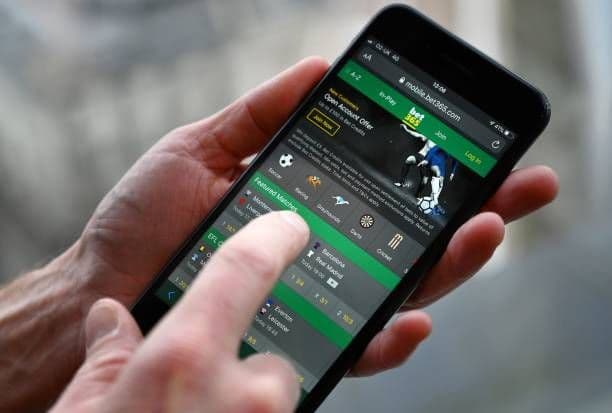
Online gambling website displayed on a smartphone by Paul Ellis/AFP via Getty Images
Illegal betting scams and fake gambling apps are expected to rise ahead of the 2026 FIFA World Cup, according to a warning issued by South Africa's National Gambling Board (NGB).
The NGB stated that criminals are increasingly targeting bettors during major sporting tournaments through online platforms and messaging channels.
Speaking exclusively to SportsBoom, Web3 lawyer Charné Thompson offered her verdict.
“From a legal and regulatory standpoint, there are several red flags that should immediately concern any prospective bettor. The most obvious indicator is the absence of a verifiable licence. In South Africa, all lawful betting operators must be licensed by a Provincial Licensing Authority and appear on the National Gambling Board's verified operators register. A platform that cannot provide a licence number traceable to a recognised South African authority, or claims to be licensed in another jurisdiction without any local registration, is almost certainly operating outside the law as it applies to South African consumers," Thompson told SportsBoom.co.za.
Fake Apps And Social Media Scams Target Bettors Ahead Of World Cup 2026
The NGB revealed that illegal betting operators targeting South African users are building systems that resemble those of licensed bookmakers. At first glance, many appear legitimate.
In many instances, they misuse names, logos, colours, or other branding elements associated with recognised bookmakers.
Speaking on the issue, Thompson said: “No responsible gambling tools or disclosures. Licensed South African operators are legally obligated to offer self-exclusion mechanisms and display the responsible gambling helpline phone number. Their absence signals an unlicensed operation.”
“Opaque or restrictive withdrawal terms. Platforms that readily accept deposits but impose endless verification loops or unexplained delays on withdrawals are displaying conduct consistent with fraud.”
The NGB also warned that scammers frequently introduce sudden “verification fees” or additional payment requests at the point of withdrawal.
Acting NGB CEO Lungile Dukwana said illegal operators target victims through “Facebook advertisements, WhatsApp messages, Telegram groups, SMS push links” and unverified mobile applications.
NGB warned that such tactics are becoming more common during major sporting tournaments, such as the 2026 World Cup, when betting activity spikes.
Red Flags To Watch Out For
Thompson added that licensing is only one of several warning signs bettors should be aware of when assessing a platform's legitimacy.
“No physical address or traceable corporate identity. Legitimate operators are required to be identifiable legal entities. Anonymous or shell-company structures are a hallmark of fraudulent platforms.”
“Unrealistic promotional offers. Promises of guaranteed returns, unusually high odds, or 'no-lose' betting schemes have no basis in legitimate gambling economics and are classic social engineering tools."
Thompson also pointed out the wider operational tactics used by illegal platforms.
“Aggressive social media or WhatsApp-based recruitment. Legitimate operators do not typically solicit players through peer-to-peer messaging channels or promise insider tips in exchange for deposits.”
“Fake betting applications distributed outside of official app stores bypass the gatekeeping mechanisms that would otherwise flag unlicensed software. Together with rapid rebranding, platforms that are blocked or reported can reconstitute under a new domain name within hours, making domain-based enforcement a game of hide and seek.”
Public Warning
The NGB maintains a public register of licensed operators and has urged members of the public to verify platforms before placing bets.
The regulator warned that gambling should remain strictly for entertainment and advised bettors to avoid platforms offering unrealistic rewards or requiring upfront payments for withdrawals.
It urged bettors to remain vigilant as betting activity increases ahead of the 2026 World Cup and encouraged the public to use only licensed operators authorised in South Africa.

Christian Glory is a Sports Betting and iGaming Journalist with over 5 years of experience creating content for top publications. Her work spans casino reviews, sports betting, poker, tournament coverage, industry analysis, and editorial content.
Related Resources to Betting News
- VAR and Exchange Bets
- Bafana Bafana Betting Hype
- Illegal Gambling Now Controls 62% of South Africa's Betting Market
- The Real Reason South African Bettors Stay Loyal to One Sportsbook
- Are Casino Game Shows Attracting Casual Players?
- Slot Tournament Appeal
- Betway Bet R900m on South African Soccer - Did it Payoff?
- Do South African Bookmakers Really Offer Fair Odds to Casual Players?
- Why EFT Withdrawals from Betting Sites Are Delayed in South Africa
- The real reasons betting payments get reversed or delayed in South Africa
- Why Fast Withdrawals Matter More Than Bonuses in South Africa
- What Percentage of Players Bet Emotionally vs Strategically?
- Which Sports Attract the Highest Betting Volume in South Africa?
- Why Free Spins Don’t Always Feel Like Free Wins in South Africa
- Can Bafana Bafana Beat 1000/1 Odds? South Africa's World Cup Journey Begins
- Hollywoodbets vs Betway for PSL Betting
- Are Bonus Buys Worth It?
- Could PayShap Change SA Betting Payments?
- Do Loyalty Programs Matter More Than Welcome Bonuses in 2026?
- Can Online Casinos Replace the Traditional Casino in SA?