
Betting Academy
Win to Nil Betting: How It Works and When to Use It (2026)
Win to nil is a football bet where your team must win the match without conceding a single goal. It combines both a match result prediction and a clean sheet outcome into one bet. This makes it a popular option for punters backing strong defensive sides.

SportsBoom offers honest and impartial bookmaker reviews to help you make informed choices. While we may earn commissions through affiliate links, our content remains independent and free from promotional influence. For more information, see our Content Transparency and How We Review pages.

Win to Nil Betting
Win to Nil Betting Explained
We have all seen this scenario play out all too often in South African football.
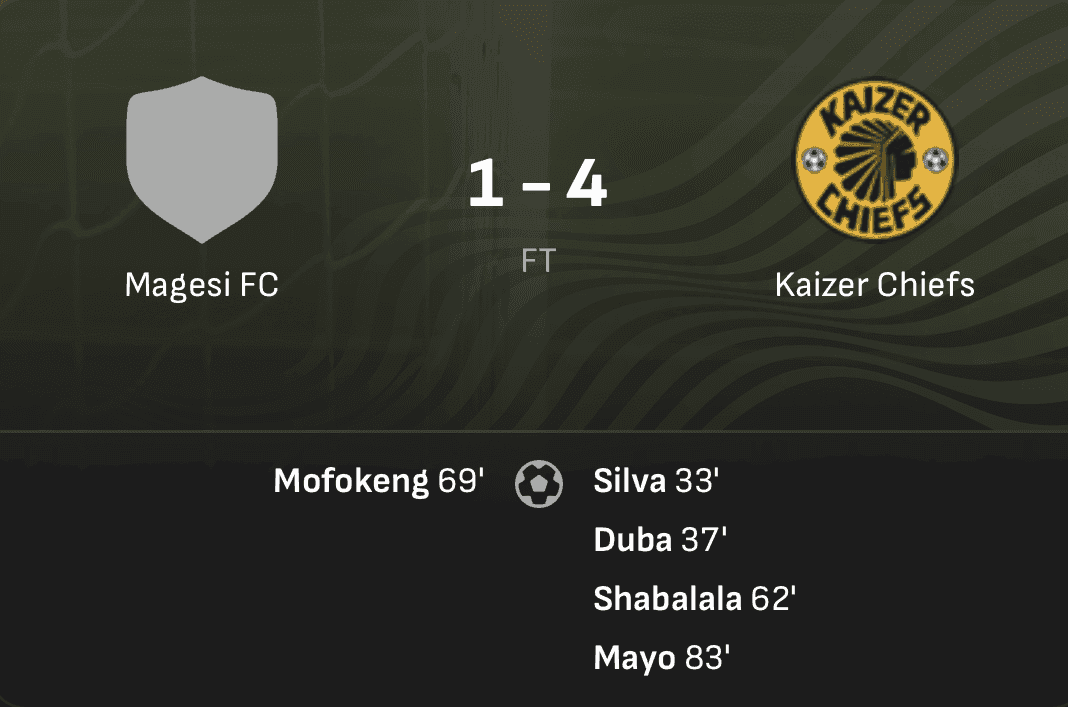
Match: Magesi FC vs Kaizer Chiefs
Market: Chiefs Win to Nil
You expect Chiefs to dominate the ball here, control the tempo and feel of the game, and see out the win without conceding anything. Unfortunately, the match didn’t follow that script.
Chiefs looked to be cruising, going up three goals to nil relatively early on, and then in the 69th minute, Magesi drew one back. The result?
Win to Nil loses.
The lesson is once again the fragility of clean sheets in South African football, and if you are engaging with South African sports betting operators, understanding this is always going to be key.
Win to Nil Betting Explained
What is Win to Nil Betting?
For this betting option to land, two conditions need to be met.
- Your selected team must win the match
- The opponent must score zero goals
This, in essence, becomes a dual-condition market. You cannot just consider the superiority of one team over the other; you are also betting on complete defensive control.
What makes this difficult in competitive football is that you must consider:
- Set pieces frequently generate goals
- Physical play leads to late defensive errors
- Tactical fouls create dangerous free-kick situations
How Win to Nil Betting Works
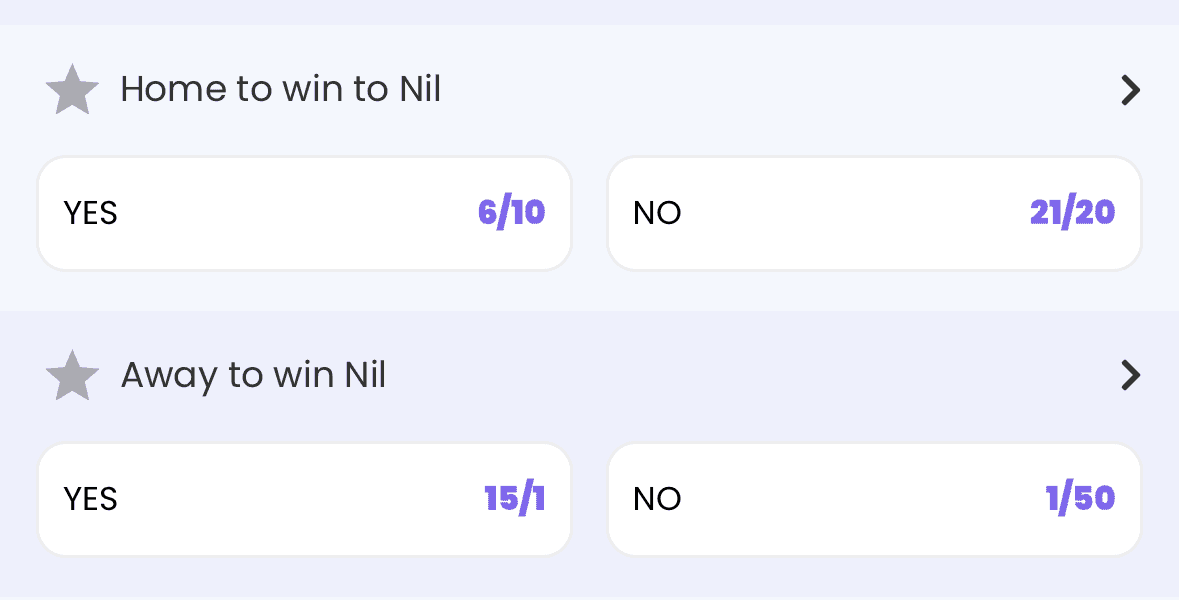
Ultimately, the bet combines two separate probability features. A win probability and a clean sheet probability.
For example, for the PSL fixture between Orlando Pirates and AmaZulu (19/04/2026):
How Win to Nil Betting Works
The bookmakers have come to these prices by combining the likelihood of either side winning, conceding, and the correlation between their possible attacking dominance and defensive exposure.
The most important point here is the last one: dominant teams push forward, but that often opens them up to a counterattacking risk. You’ll see these markets across most football betting platforms, but the pricing hides this complexity.
How Bookmakers Set Win to Nil Odds
There are various data inputs that allow bookmakers to confirm their advertised odds. These include:
- Expected goals conceded (xG against)
- Shot quality allowed
- Goalkeepers' save percentage
- Opponent finishing efficiency
For the South African market, additional considerations will include:
- PSL finishing inconsistency
- CAF travel fatigue
- Referee tolerance for physical play
It is always important to remember that even a defensively strong team can concede from a low-probability event, like a set piece with 0.05–0.10 xG.
Best Leagues for Win to Nil Betting
| League | Avg Clean Sheet Rate | Style Impact |
| Betway Premiership (PSL) | 32–37% | Physical, inconsistent finishing |
| Premier League | 28–32% | High tempo, transitional attacks |
| La Liga | 30–35% | Structured possession |
| Serie A | 33–38% | Tactical defensive setups |
| CAF Champions League | 30–36% | High volatility, travel fatigue |

Why Win to Nil Works
Defensive Structure Advantage
Teams that can reduce xG effectively will always reduce an opponent’s scoring probability. This is common for defensively disciplined outfits, traditionally like the Serie A.
Goalkeeper Variance
A keeper can outperform expected saves in a match; with a strong performance, he can single-handedly preserve a clean sheet.
Pros and Cons
Pros
Higher odds than standard win markets
Supported by defensive metrics in structured systems
Cons
One goal voids the bet instantly
Red cards increase exposure significantly
PSL set-piece volatility is high
Win to Nil vs Other Markets
If you were to compare this betting market to other markets, the differences can be found in:
- Match result: Only requires winning
- Over/Under goals: Focuses on total scoring
- BTTS (Both Teams to Score): Binary scoring condition
For seasoned punters, the Win to Nil market is understood to be a compound conditional market. Part and parcel of the inherent adrenaline here is linked to its sensitivity to late-game events.
Understanding Win to Nil Odds
To understand these odds simply, you must convert them into implied probability.
P=1/2.50=0.40
Odds of 2.50 imply a 40% probability.
Of course, as is the case with sports betting, the real probability will likely be even lower due to:
- Win and clean sheet probabilities are correlated
- Bookmakers include margin (overround)
- Defensive exposure increases with attacking dominance
Drivers of Value in Win to Nil Betting
The greatest drivers – or occurrences that will increase the potential value of the bet include:
- Opponent has low xG (e.g., 0.6–0.8 per match)
- Defensive team has a strong home structure
- Travel fatigue affects opposition (CAF context)
- Tactical low-block matchups limit transitions
Risk and Bankroll Management
For interest’s sake, the Win to Nil bet is often considered a moderate-to-high volatility market. The recommended approach would be managing a conservative bankroll stake (1-2%) and avoiding stacking multiple Win to Nil bets together.
For example:
- Bankroll: R1,000
- Stake per bet: R10–R25
Using licensed sportsbooks helps ensure fair pricing, but variance cannot be eliminated.
Win to Nil Betting – When it Works and When to Avoid It
When Win to Nil Works
- Strong defensive PSL home teams
- Low xG opposition
When to Avoid Win to Nil Bets
- Derby matches (PSL intensity spikes unpredictability)
- CAF knockout fixtures (high pressure, late goals)
- High-transition EPL matches
- Teams with inconsistent defensive transition
Common Mistakes
Punters will often use betting tips and predictions, but still overlook the frequency of late goals in context. These are some common mistakes I suggest you avoid.
- Overestimating possession dominance
- Ignoring PSL set-piece risk
- Relying only on historical clean sheets
- Underestimating late-game variance
Win to Nil Betting Checklist
Before I place a Win to Nil bet, I enjoy using this comprehensive checklist for added security.
- Is the opponent a low xG team?
- Is the defensive side structurally stable?
- Is the match low volatility?
- Are set pieces a major threat?
If multiple answers raise doubt, I avoid the market.
Conclusion
This is a betting market that combines the match outcome probability with defensive probability, making it an incredibly tricky market to navigate. In the South African football context, late goals and set-piece situations regularly disrupt clean sheets, even in dominant performances.
It would be naïve to suggest that this betting market is a safe option, but understanding the inherent probability, context, and variance, it will always ensure you avoid unnecessary loss.

Ryan Liberty is a sportswriter known for his conversational style and ability to make content feel both engaging and easy to follow. With a genuine passion for sport, his work is driven by a love for football, horseracing, Formula One, and tennis, among others, allowing him to cover a wide range of topics with confidence.
Related Resources to Betting Academy
- Banker Betting Explained: Strategy, Tips & How to Pick Safe Bets
- Understanding RTP in Spina Zonke: Stop Misreading “Value” in Casino Games
- Adding One More Leg to Your Multi?
- Implied Probability: How to Read Transfer Odds Easily
- Why Aviator Appeals to Sports Bettors
- Responsible Gambling in South Africa: How to Set Betting Limits
- Loss Aversion: Why Broken Accas Hurt More Than Wins
- Why 1000 Slot Spins Beat a Football Match in Predictability
- House Edge vs Betting Margin: What’s Fairer for Punters?
- Why Long Multiples Appeal to South African Bettors
- PSL Betting Guide: Ignore Streaks, Focus on Data
- Why Bettors Prefer Fast Games Over 90-Minute Matches
- How to Use Casino Games to Keep Your Bankroll Active for the 2026 World Cup
- When to Cash Out a Bet Early? A Guide for Football Fans
- How Injuries Shift Betting Odds and Move the Line
- FICA for Beginners: Getting Your Account Ready Before Kick-Off
- Top Soccer-Themed Spina Zonke Games to Play in the Off-Season
- Are PSL Gambling Sponsors Legal in South Africa?
- Why R5 Aviator Bets Are Trending in Sports Bars
- Understanding Decimal vs Fractional Betting Odds